.svg)
The Hidden Risk of Eyedrops: Understanding Tip Contamination
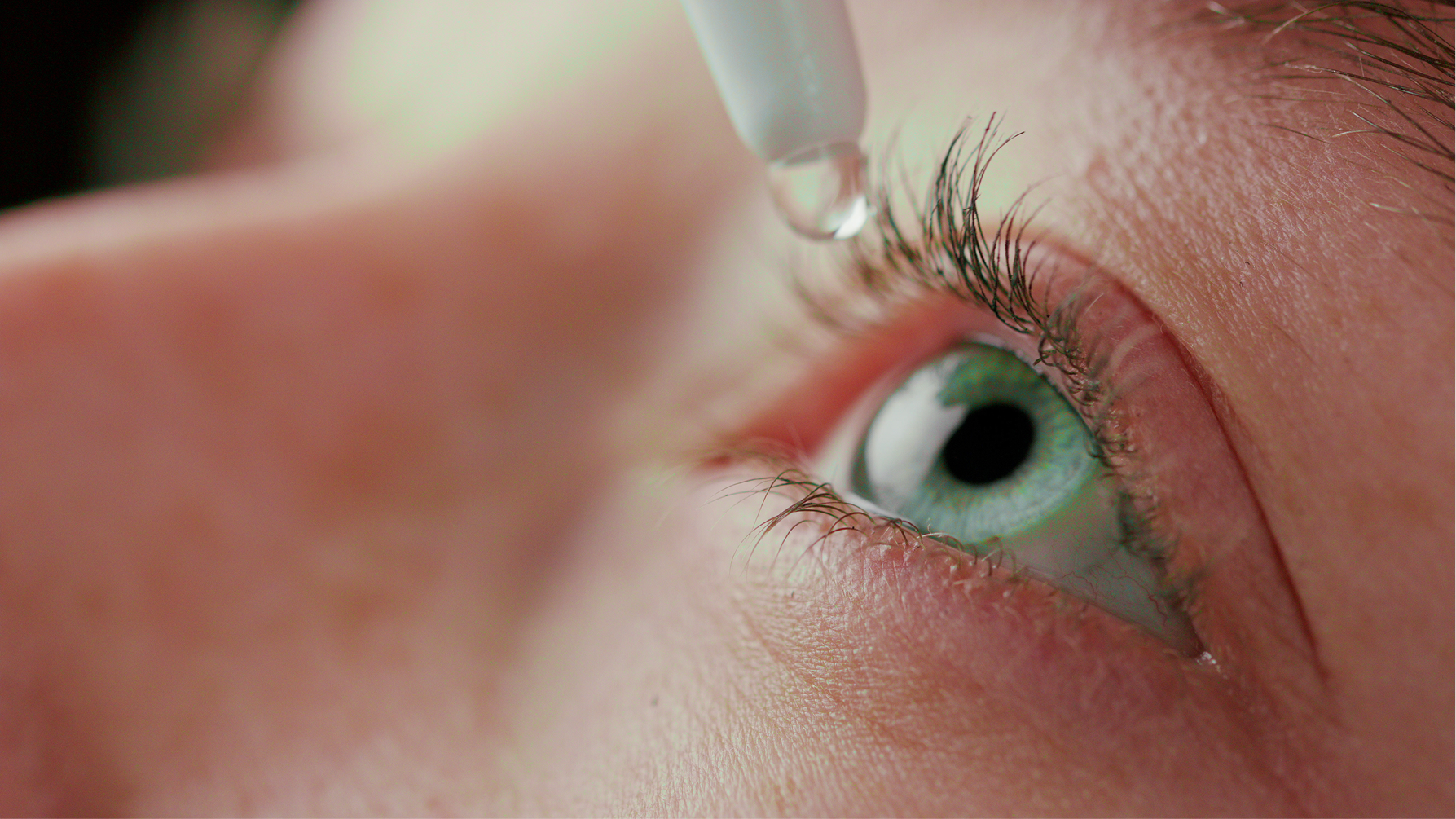
There is a common misconception that multi-dose eye drops, often used daily for months, remain sterile throughout their use. Clinical evidence suggests otherwise: eye drop contamination occurs regularly at home and in the office.
The very tip of the eye-dropper — which comes closest to your eye and lid during application — is highly susceptible to contamination during everyday use. Studies have shown that 11–70% of ophthalmic medications are contaminated during routine use, with the nozzle and threads of the bottle the most likely sites.
Most Vulnerable Patient Groups
For individuals managing chronic conditions like Dry Eye Disease or glaucoma, contamination risk increases significantly with long-term usage.
Duration Matters
For multi-use eye medications employed for more than seven days — the typical use case for chronic patients — the contamination rate dramatically increases to 24.3%. That is eight times higher than the rate for medications used for less than a week.
Multi-Use Concerns
Similarly, medications labeled for multi-user application show a significantly higher contamination rate (24.3%) compared to single-user medications (3.2%).
These findings confirm that the primary vulnerability lies on the exterior surface of the dropper tip during regular, long-term use. This emphasizes the critical need for a consistent, daily disinfection routine to manage the risk inherent in multi-dose ophthalmic hygiene.
Addressing the Risk: The Role of UV Sanitization
For chronic eye drop users, managing contamination risk requires more than careful handling alone. UV-C sanitization has emerged as the most targeted solution, offering disinfection of the dropper tip surface — the point of greatest vulnerability.
Saniteyes applies UV-C technology to achieve a 99.9% reduction of microorganisms on the exterior surface of eye drop bottles, without compromising the sterility or efficacy of the contents inside.
For patients using multi-dose medications daily over weeks or months, integrating UV-C sanitization into a consistent routine represents a practical, evidence-based step toward reducing the contamination risk that traditional handling precautions cannot fully address.

.webp)